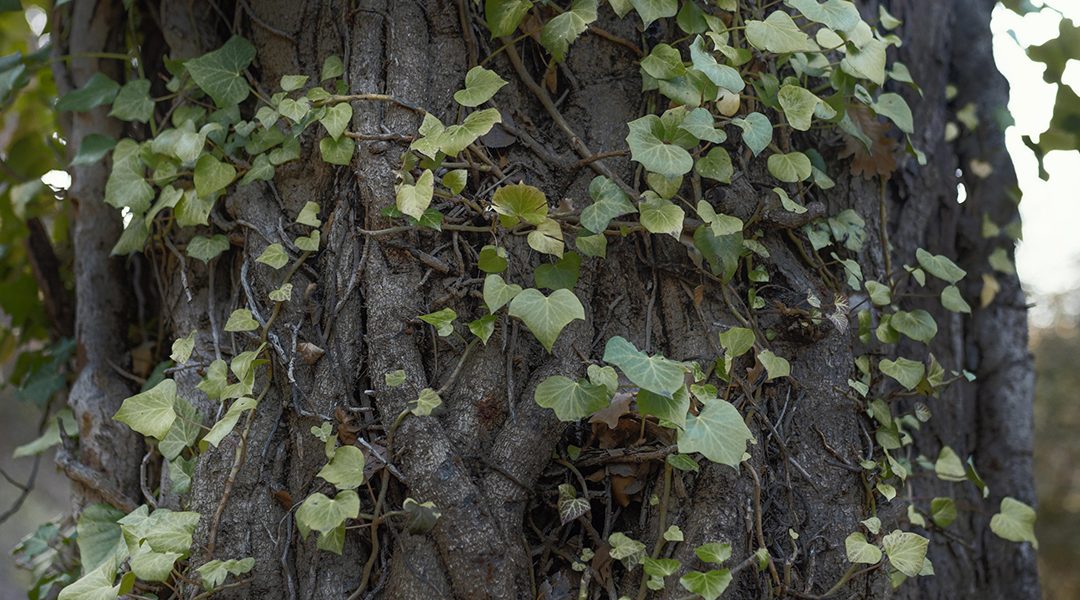
Have you noticed vines climbing up your trees lately? While these growths may impart a certain charm, some varieties cause serious harm when left unchecked.
As the go-to crew for tree services in Rockledge, FL, we at East Coast Arbor Pro know a thing or two about unusual garden challenges. Read on and learn why we generally recommend removing vines from trees.
Vines and Trees Don’t Always Mix
Invasive vines can harm their host in various ways, including:
- Strangulation: Wisteria and other twining varieties wrap around trunks and branches, girdling them as they grow thicker.
- Physical damage: Some vines, such as the Virginia creeper, have adhesive discs that break into the bark and create moisture problems.
- Competition: Fast-growing vines can compete for nutrients, water, and sunlight. English ivy, for example, notoriously covers the tree from top to bottom and limits its ability to photosynthesize effectively.
Protecting Your Arboreal Specimens by Paying Attention
Before you go through the trouble of vine identification, it’s crucial to gauge your tree’s condition first. Watch out for the following red flags:
- Sparse foliage (outside of autumn)
- Dead or dying branches
- Cracks or splits in the bark
- Stunted growth compared to previous seasons
Don’t wait for mild symptoms to progress into long-term damage. The longer you let vines reach higher branches, the more you risk a weakened tree.
What To Do Next
Removing vines from trees can be tricky but manageable. Follow these steps and work carefully:
Identify the Vine
Look online for resources or try plant identification apps. These can help you quickly narrow down the vine species.
Better yet, grab a reliable book on local plants. Sometimes the old-fashioned way offers the most trustworthy insights. We recommend removing:
- Poison ivy
- Poison oak
- Kudzu
- Wisteria
- Virginia creeper
- Wintercreeper
- Porcelain berry
- English ivy
- Oriental bittersweet
Keep in mind that some varieties may offer potential benefits. Trumpet vines attract pollinators and provide wildlife habitats, while native grapes serve as a bird food source. As long as your tree continues to thrive and shows no signs of damage, consider letting them coexist.
Conduct Invasive Vine Removal
Always wear gloves, long-sleeved shirts, eye protection, and other protective gear, especially when handling poisonous varieties. Sharp tools make cutting easier and more efficient. Here are some manual vine cutting tips:
- Cut vines at the base, then at eye level
- Rip out the root system without damaging the tree when possible
- Create a vine-free zone of at least three feet around the tree’s base
For bark preservation, never try to remove any vines above your cuts. Since they no longer have root access, they should die and fall off on their own.
Discourage Regrowth
Even after thoroughly removing vines from trees, they can come back with a vengeance if you don’t take extra steps:
- Dispose of everything: Even the smallest material can re-root quickly and start growing again. Collect all cut vines and roots, bag them, and remove them from the area.
- Mulch is your friend: A three-inch layer of organic mulch discourages regrowth. Leave at least a few inches of bare soil around the base to prevent root rot.
- Inspect your yard: Young vines with soft stems and shallow root systems are easy to pull by hand. Check frequently to catch them early.
- Apply herbicides: Severe cases require chemical treatment, but use them sparingly. Follow the instructions carefully and avoid products that could harm your tree or beneficial pollinators.
Your Professional Tree Care Specialists in Rockledge
Permanently removing vines from trees requires expertise and patience. Why not leave it to East Coast Arbor Pro instead? Our tree health protection crew proficiently handles even the most stubborn vine infestations.
Contact us today or read our blog post on the secret to keeping trees healthy.